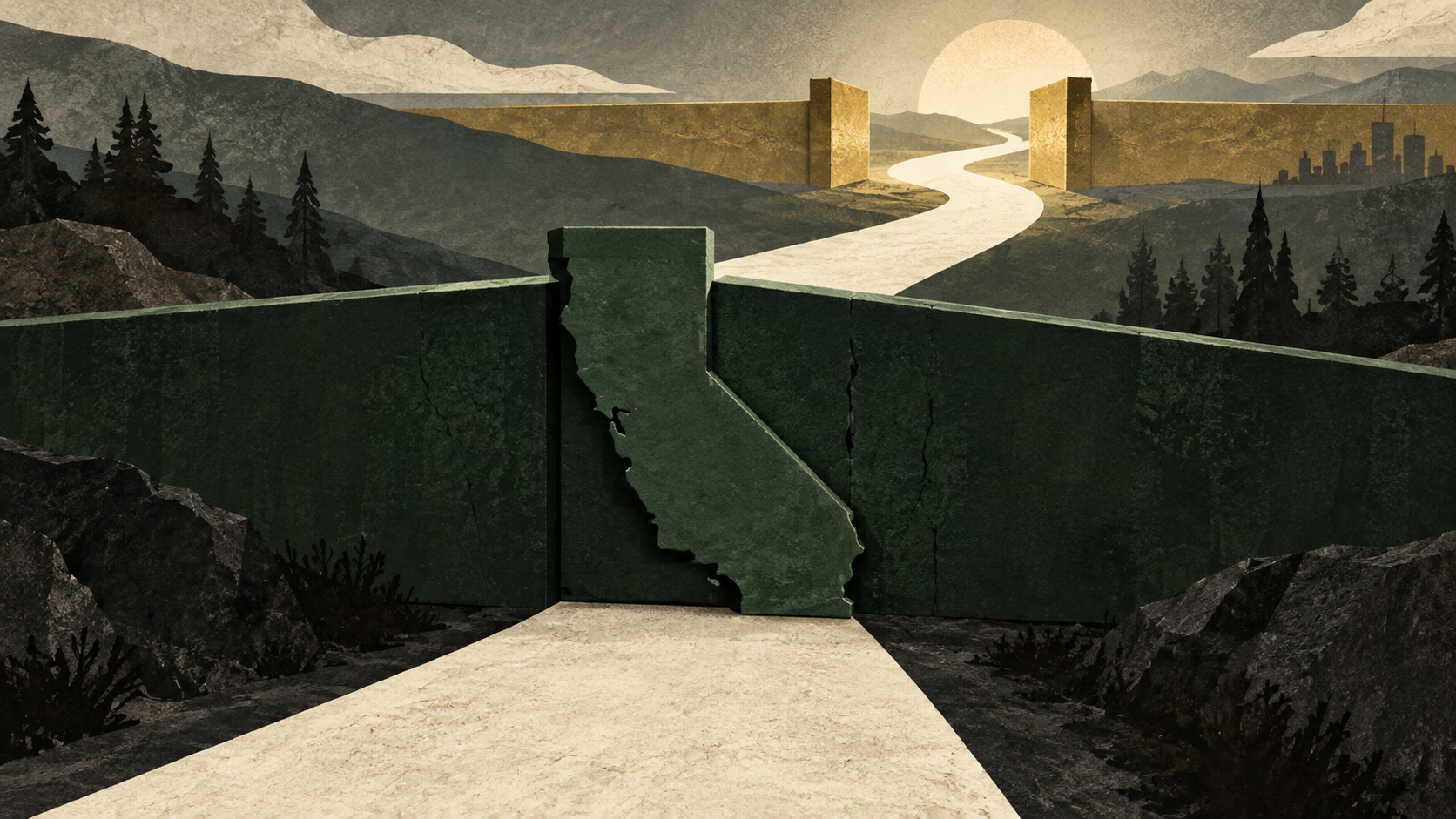

A silencer, short-barreled rifle or short-barreled shotgun used to need ATF approval, a $200 tax stamp and a place in the federal registry before a buyer could take it home. Since October 9, 2026, ATF says it will not enforce those steps for anyone. California still bans these items under state law, so nothing changes for owners inside California.
Sources checked October 10, 2026. Educational information only, not legal advice.
| What changed | ATF will not enforce the National Firearms Act’s approval, registration and tax-stamp steps for silencers, short-barreled rifles, short-barreled shotguns and “any other weapons.” |
| Effective | October 9, 2026 (ATF enforcement guidance, not a change in the statute). |
| Applies to | Everyone, not only the plaintiffs in the Texas case — but it does not override California’s own bans on these items. |
| Statutory basis | 26 U.S.C. §§ 5845(e), 5861; Silencer Shop Found. v. ATF, No. 6:25-cv-056 (N.D. Tex. Aug. 5, 2026). |
What happened
On October 9, 2026, the Bureau of Alcohol, Tobacco, Firearms and Explosives released an Open Letter and a Frequently Asked Questions page on how it will treat the National Firearms Act firearms for which Congress eliminated the making and transfer taxes in the One Big Beautiful Bill. ATF wrote that it “will not enforce the requirements for individuals to apply and receive ATF approval before making or transferring short-barreled rifles, short-barreled shotguns, suppressors (silencers), and certain other concealable firearms known in the law as ‘any other weapons’,” and that it will not enforce the NFA’s registration, tax-stamp or related requirements for those items.
The guidance follows an August 5, 2026 decision by the U.S. District Court for the Northern District of Texas in Silencer Shop Foundation v. ATF, No. 6:25-cv-056, which held that the NFA’s making, registration and transfer provisions were no longer valid exercises of Congress’s taxing power once the tax reached $0, and that Congress had not relied on its commerce power. That injunction protected only the plaintiffs. Attorney General Todd Blanche announced the Department of Justice would not appeal, and ATF then applied the same enforcement discretion to everyone rather than to the plaintiffs alone.
The relief is narrower than the headlines suggest. The $200 tax and all NFA requirements remain in place for machine guns and destructive devices. Licensed dealers must still complete a Form 4473, run a NICS background check and keep records. Anyone who is “engaged in the business” of making, importing or selling NFA items must still pay the special (occupational) tax. Interstate transportation of a short-barreled rifle or short-barreled shotgun still calls for an approved Form 20 under 18 U.S.C. § 922(a)(4), whether or not the item is registered. ATF also said it will keep processing NFA applications for anyone who wants to register voluntarily.
What it means for you
If you live in one of the states that does not restrict these items, the federal permission slip is gone for now: no Form 1 or Form 4, no federal registry entry. In California, the outcome is different. California makes it a felony to possess a silencer (Penal Code § 33410), and separately punishes manufacturing, importing, keeping for sale, giving, lending or possessing a short-barreled rifle or short-barreled shotgun (Penal Code § 33215), subject to narrow exceptions for licensed dealers and manufacturers. None of that changed on October 9. The ATF guidance expressly says it does not supersede state and local laws that restrict NFA firearms, and federal law bars licensees from selling or delivering any such item in violation of state or local law (18 U.S.C. § 922(b)(2)). So a Californian cannot use the new federal posture to buy, build or carry a silencer, short-barreled rifle or short-barreled shotgun inside California.
Two more cautions matter for anyone planning around this. First, the change is enforcement discretion, not a repeal: the statute still treats unregistered NFA firearms as contraband, with felony penalties and forfeiture, and ATF says there is no automatic grandfathering if a new tax is imposed, the injunction is dissolved or reversed, or the guidance is rescinded. Second, federal approval to transport an unregistered NFA item in interstate commerce is also no longer enforced — but that is federal transportation law, not a California possession right; bringing one of these items into California remains a state-law crime.
The official source
Read the primary sources rather than a summary of them, including this one.
- ATF press release, October 9, 2026 The announcement and its scope.
- ATF FAQ: Update to NFA Transfer Guidance What ATF will and will not enforce, including state-law limits.
- ATF Open Letter, effective October 9, 2026 The operative letter sent to licensees.
- California Penal Code § 33410 and § 33215 California’s silencer and short-barreled firearm bans, which the guidance does not affect.
Discuss
Update log
- October 10, 2026Published from the ATF press release and FAQ of October 9, 2026 by CA2A Newsroom.
The Docket, by email
Skip the forums. Get the change and the statute behind it.
A bill passes, a case turns, the roster changes. No weekly filler, no sales. Unsubscribe in one click.
Only when something changes. Your address is never shared.